



01
Registered Business Details
INTHEZONE Electric Mobility LimitedRegus Online Alexandra House, Ballsbridge Park 3
Dublin, D04 C7H2
Ireland


Welcome rider. This is your monster premium INTHEZONE guide comparing two of the biggest categories in modern electric mobility: the electric bike and the electric scooter.
If you are trying to decide between an e-bike and a scooter for commuting, hills, daily mobility, urban travel, lifestyle freedom, or overall value, this page is designed to help you compare clearly and buy smarter.

An electric bike is a bicycle with an electric motor and battery system that helps propel the rider. In most cases, the assistance comes through pedal assist, which means the motor supports your pedaling effort rather than fully replacing it. Some e-bikes also include throttle functionality depending on their class, configuration and regional legality.
That combination is the reason e-bikes are so popular. They still feel like bikes, but they reduce the effort needed to accelerate, cruise, climb hills and cover longer distances. For many riders, that makes the electric bike the most balanced electric mobility product on the market.

E-bikes offer a rare mix of comfort, range, practicality and real-world versatility. They are easier on the body than a normal bike, more road-capable than most scooters on rough surfaces, and generally better for mixed terrain, longer commutes and cargo or utility use.


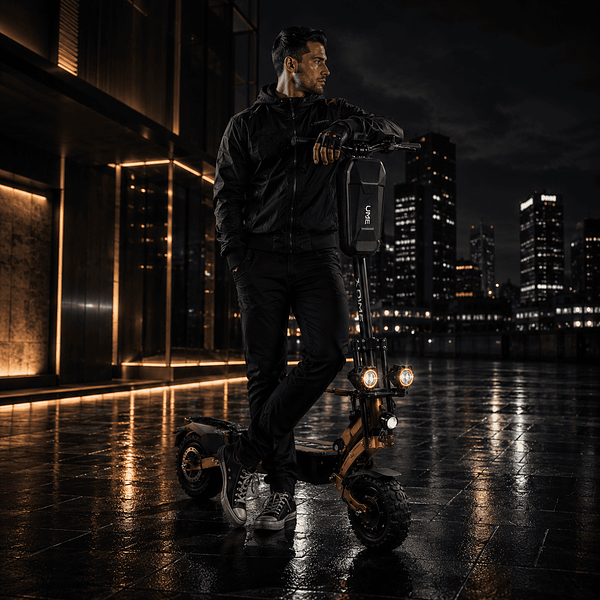
An electric scooter is a compact electric vehicle built around a standing deck, handlebars and an electric drive system. It is designed for direct, efficient, short-to-medium distance travel, especially in urban environments where portability and storage matter.
Compared with an e-bike, the scooter is more compact, easier to store and often simpler to deploy for quick trips. That makes it extremely attractive to apartment residents, city commuters, students and riders who want clean mobility without the bulk of a bike.

The best thing about a scooter is simplicity. It folds easily, stores more easily than a bike, can feel faster to deploy for short urban trips and often wins the portability battle. In the electric mobility comparison, that portability advantage is one of the scooter’s biggest strengths.

When people search for electric bike commuting or electric scooter commuting, they are usually trying to solve one thing: how to make daily movement easier. Both can do that. The better one depends on how your commute actually works.
In city centres, the scooter can feel unbeatable for convenience. On longer commutes, rougher surfaces or more mixed terrain, the e-bike often becomes the more relaxed and sustainable daily choice.
Hills expose the truth. This is where motor support, torque delivery, wheel size, rider posture and route design start to matter more than marketing. In most real-world cases, an e-bike is the easier and more forgiving hill machine because the rider can contribute pedal effort while staying in a seated, stable posture.
That does not mean scooters are weak. Strong dual-motor scooters can climb impressively. But when the question is which is better for hills?, the e-bike usually wins on overall balance for most riders.

For steep, regular or longer hill climbs, the e-bike remains the safer recommendation for the average rider. For shorter aggressive bursts, high-performance scooters can be very strong.

Long distance changes everything. Battery size matters, yes, but so do comfort, rider fatigue, posture, vibration and how the vehicle behaves over time. The longer the ride, the more obvious the e-bike’s comfort advantage becomes.
E-bikes are generally better for longer routes because they combine range efficiency with a more comfortable body position. Even when a scooter has a strong battery, standing for longer periods and dealing with smaller wheels can make the ride more tiring.
Laws matter. They shape what is road-legal, how fast assistance can go, whether throttles are permitted, and how scooters are treated in public spaces. That is one reason buyers should always connect product browsing with region-specific legal reading.
Across much of the EU, road-legal e-bikes are typically treated as pedal-assist bicycles up to 250W continuous rated power with assistance cutting off around 25 km/h. Scooters and higher-performance machines face more variation and more restrictions depending on country and classification.
Ireland has moved further into micromobility regulation, especially around scooters. E-bikes generally follow familiar European pedal-assist logic, while scooters remain more sensitive to speed limits, age requirements, road use rules and local enforcement context.
In Great Britain, road-legal electric bikes generally align with EAPC rules: pedals, 250W maximum continuous rated power and assistance cutting out at 15.5 mph / 25 km/h. Scooter legality is more restricted and context-sensitive than many buyers assume, especially outside trial or specific permitted structures.
The U.S. is more fragmented. E-bike regulation often follows the three-class model, but actual use rules vary by state and local jurisdiction. Scooters also vary by city and state, which means American buyers should always check their local rules rather than assume one national answer fits all.
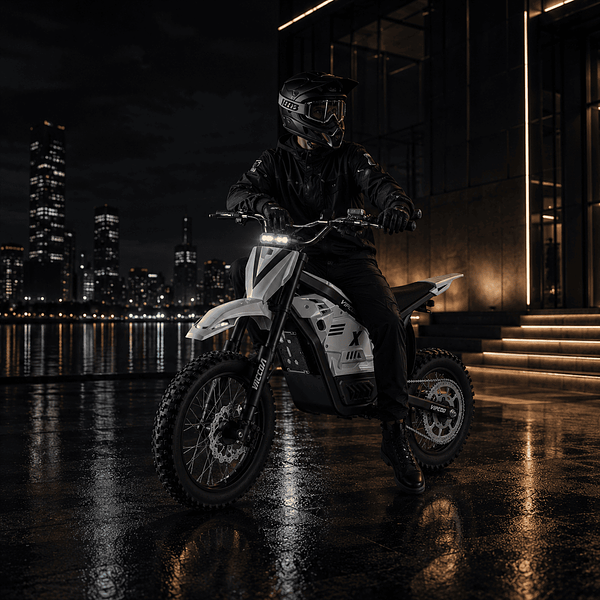
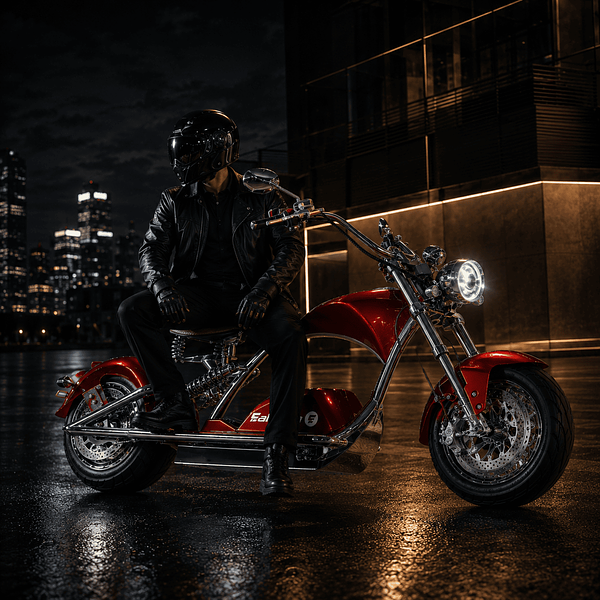
These models help show why e-bikes are winning so many riders in the 2026 market. They cover comfort, versatility, folding practicality, everyday utility and performance appeal.
Because they answer different use cases. Some riders want folding convenience. Some want comfort. Some want fat tires. Some want more attitude. Together, these bikes show just how wide the e-bike category has become.
On the scooter side, the market ranges from compact commuters to genuine performance monsters. That range is exactly why the scooter category deserves serious attention in the electric bike vs electric scooter conversation.
Because they show the whole spectrum of scooter ownership: portability, commuter ease, dual-motor power, hill performance and high-speed enthusiast appeal. If your life is more urban and compact than long-distance and seated, scooters become very persuasive.
You should lean toward an electric bike if your needs centre on comfort, longer distances, more varied terrain and a more familiar riding format. The e-bike is often the better answer for riders who want one machine to handle a wider range of daily activities.
You should lean toward an electric scooter if portability, compact living and fast urban convenience matter most. The scooter wins when the core problem is not “how do I ride farther?” but “how do I move faster and store easier?”
The honest answer is this: the better vehicle is the one that matches your daily life more accurately.
If you want comfort, longer range, stronger hill confidence, more terrain versatility and a more complete transport tool, the electric bike is usually the stronger choice. If you want compact urban speed, easier storage, lighter portability and fast everyday convenience, the electric scooter is usually the smarter choice.
So which is better in 2026? For pure all-round practicality, the e-bike often wins. For compact city convenience, the scooter often wins. The smartest move is not to ask which is universally better. It is to ask which is better for you.
Fast scooters are not impulse purchases for most buyers. That is exactly why your payment options page matters so much in this category. It helps riders understand how to step into a stronger scooter without creating unnecessary confusion around country-specific payment routes.

For Ireland, Humm is structured as the longer monthly-payment path. It is especially relevant for buyers who want to move from a commuter-class scooter to a higher-performance model and need a more comfortable month-by-month spread.
For the UK, Humm is presented as the cleaner, shorter-term route. This is useful for buyers who want more structured monthly flexibility without stretching the timeline as far as the Irish route.

Klarna Europe is positioned as the flexible checkout route across many European markets. For many supported countries, the simple headline option is Pay in 3, while selected countries also have longer pay-over-time finance options.
Not always. Many performance scooters are faster than typical commuter e-bikes, but legal everyday use depends heavily on local regulations and vehicle classification.
Often yes at entry commuter level, but premium dual-motor scooters can become expensive quickly.
For most riders, electric bikes are the easier and more balanced hill solution because they combine motor support with rider pedaling and a more stable ride format.
Safety depends on road conditions, speed, build quality and rider behavior, but e-bikes often feel more stable because of larger wheels and seated posture.
For short city trips, scooters often win on simple cost efficiency. For broader daily mobility and longer commutes, e-bikes often provide stronger overall value.
Ireland now has clearer micromobility rules, but riders should always check current local guidance, age requirements and road-use restrictions before riding.
Yes. They are one of the best commuting tools for riders who want comfort, range and a more versatile daily machine.
In most cases, the electric scooter is better for apartments because it is easier to store and move indoors.
The electric bike is usually better for long distance because of comfort, posture and the efficiency of combining motor support with pedaling.
The best option depends on your route, terrain, storage needs and riding style. E-bikes usually win all-round versatility, while scooters usually win compact city convenience.

Humm offers monthly finance in Ireland and the UK. Klarna gives Pay in 3 and selected longer finance in eligible EU markets. PayPal offers Pay Later plus Buyer Protection where eligible. SEPA Bank Transfer lets you pay directly and save 5% with code SEPA5. Choose the route that best suits your budget.